Dependency Management in Distributed Monorepo Workflows
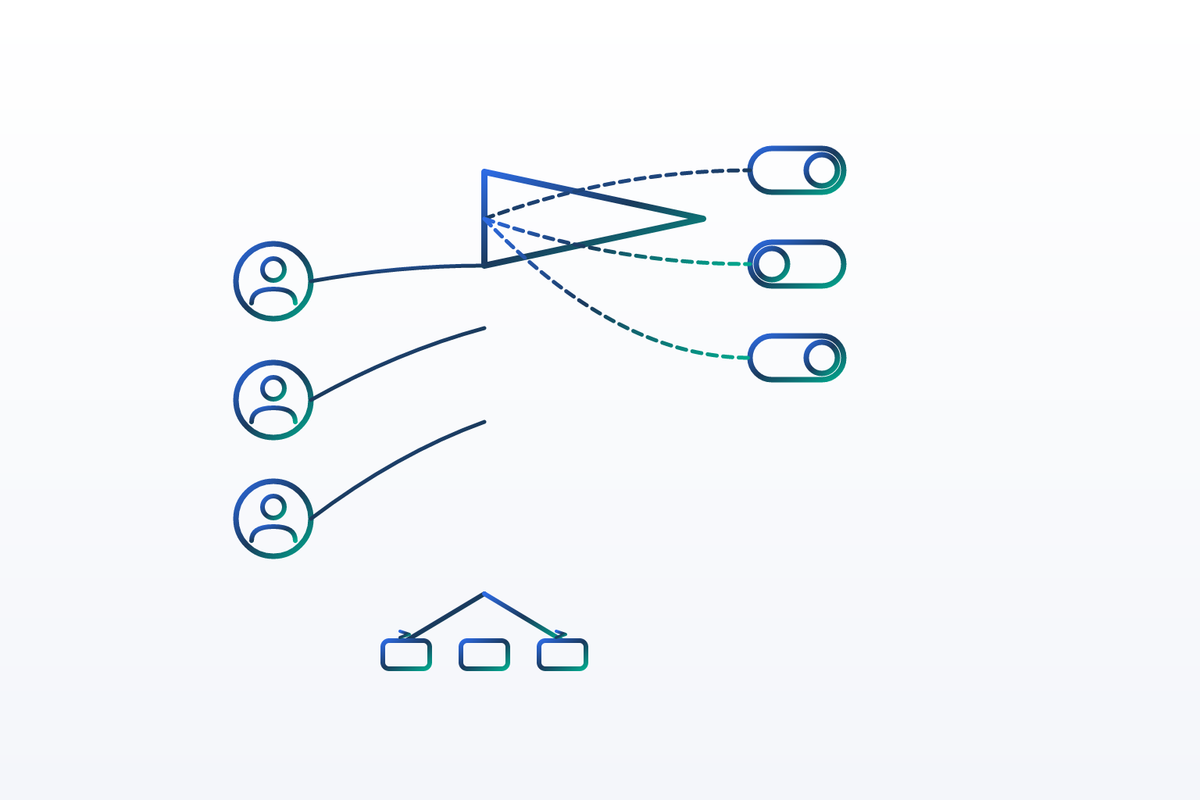
Treat the dependency graph as a live artifact that decides what builds, tests, and ships.
Vetted Talent Options Editors
Section
16 stories in Distributed Team Engineering.
Treat the dependency graph as a live artifact that decides what builds, tests, and ships.
Treat feature flags as shared infrastructure to coordinate releases across time zones safely.
Build knowledge distribution into delivery from day one, not exit day.
Sustainable on-call rotations need eight engineers plus explicit contracts for augmented staff.
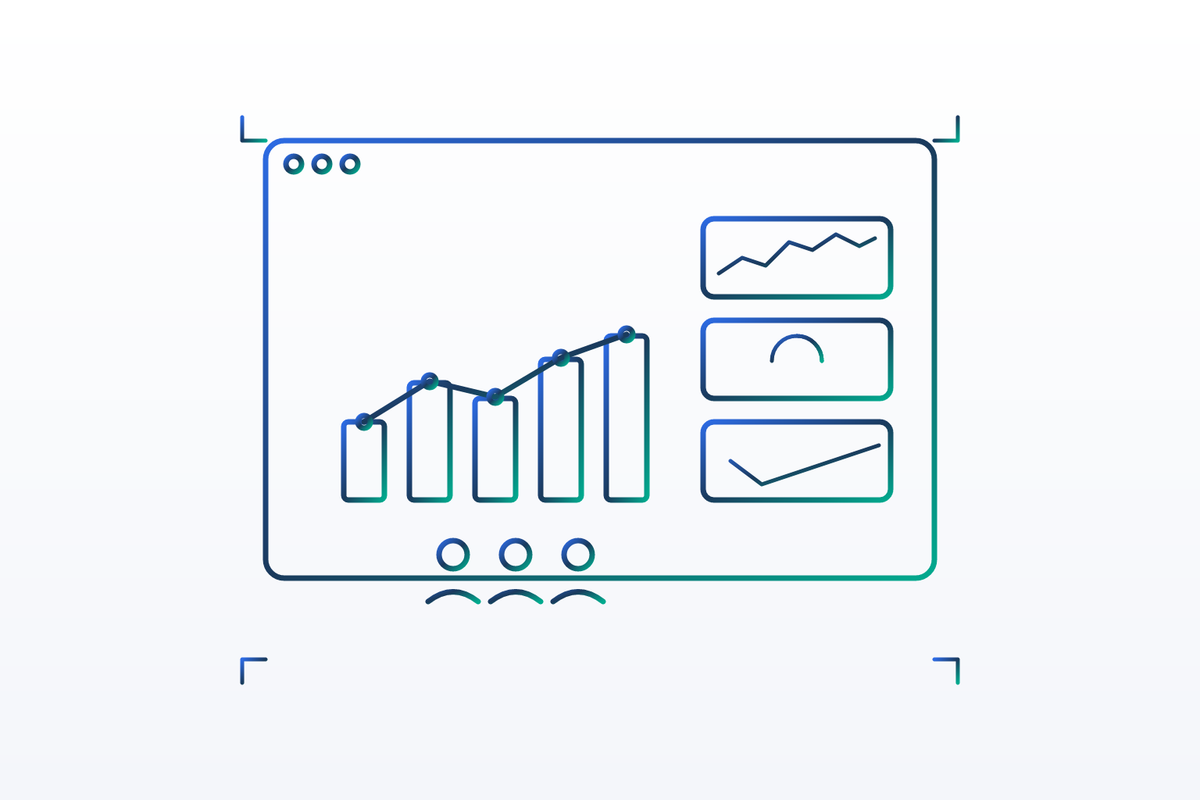
Establish team boundaries and measurement windows before collecting DORA data.
Augmented teams need fast CI, shared standards.
Automation and routing cut timezone delays that traditional code review tools can't eliminate.
Ownership and formats, not writing skill, keep runbooks reliable through turnover.
Redesigned prompts expose friction that standard retro formats quietly hide in augmented teams.
AI-assisted developers ship faster code but create review bottlenecks that slow overall delivery.
Knowledge flow determines how fast distributed teams actually move.
External engineers ramp faster when onboarding follows a repeatable checklist, not improvisation.
Contract testing earlier in the pipeline catches breaking changes before they reach production.
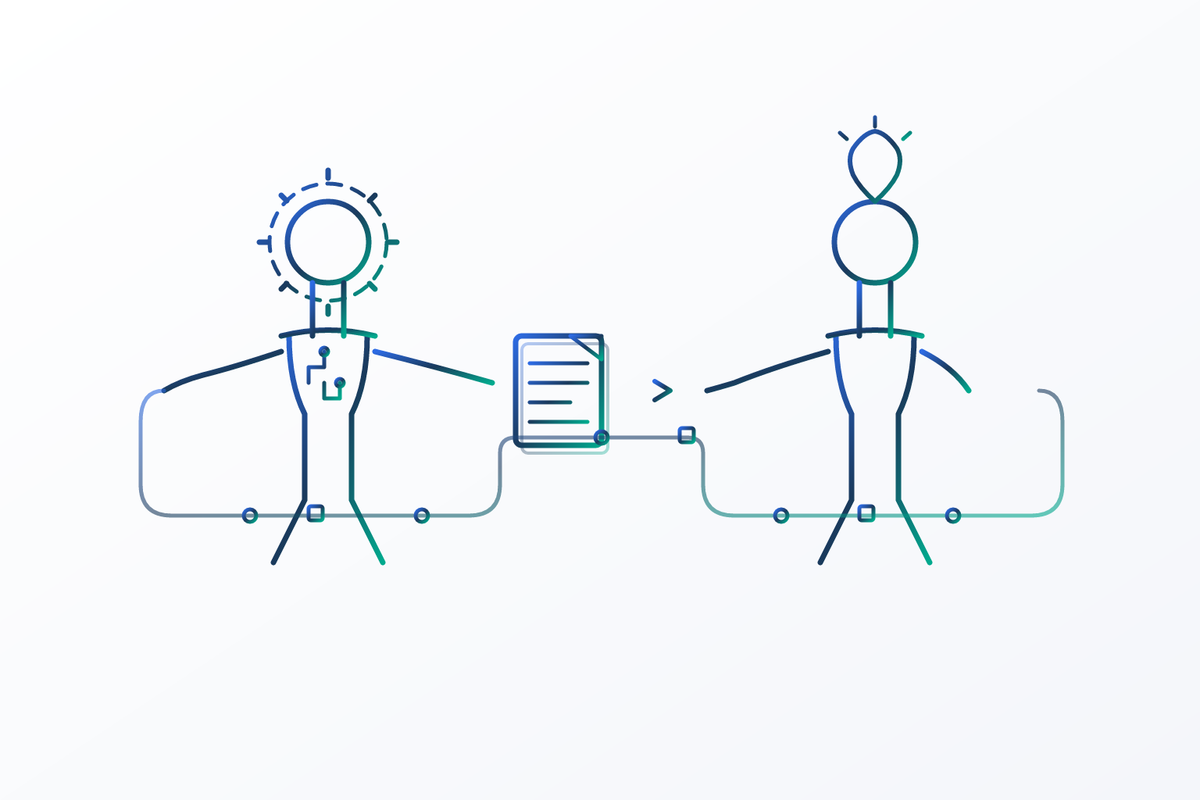
Shared completion standards prevent silent handoff failures across timezones.
Distributed on-call teams need runbooks designed for handoffs across time zones and skill gaps.
Distributed teams need explicit timezone handoff strategies within CI/CD pipelines.