Trunk-Based Development Adoption Challenges in Augmented Engineering Teams
Augmented teams need fast CI, shared standards.
Trunk-based development fails in augmented engineering teams when they lack the review capacity, integration discipline, and infrastructure to merge often across team boundaries. Changing the branching policy does not resolve those constraints. The transition requires fast validation, shared technical standards, and onboarding that makes augmented engineers first-class contributors from day one.
Why trunk-based development is harder than teams expect, even before augmentation enters the picture
Many teams that describe their workflow as trunk-based development are practicing shortened feature branching. Reviews take days, branches outlive a single work cycle, and engineers batch changes for efficiency. Those habits keep the integration costs that trunk-based development is meant to remove. The distinction is not the branch name but whether integration happens continuously or remains a separate event.
DORA defines the capability through concrete limits, including each developer merging to trunk at least once per day, branches lasting no more than a few hours, and no more than three active branches at any time. Those requirements make review latency and validation speed part of the branching model itself. Fast CI, with a tight upper bound on pipeline duration, must therefore precede the workflow change. Otherwise, waiting for validation creates an incentive to accumulate work and delay integration.
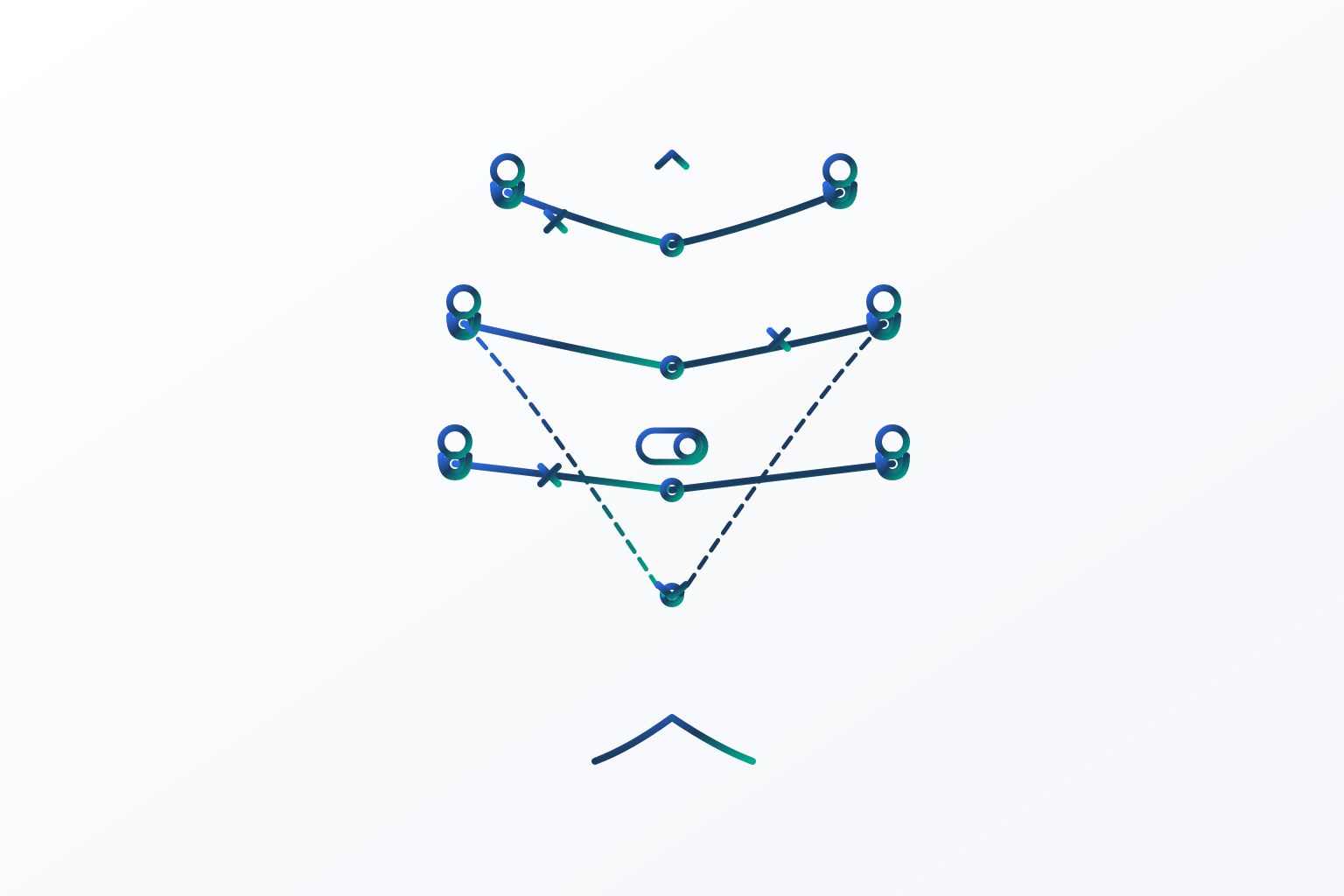
A merge queue keeps two PRs that are each green on their own from breaking trunk when merged together. Feature flags decouple deployment from release, so incomplete changes can merge without becoming available to users. Without that separation, engineers hold work locally and integrate weekly, recreating feature branching under a different label.
The structural friction points that augmented teams add on top of an already demanding practice
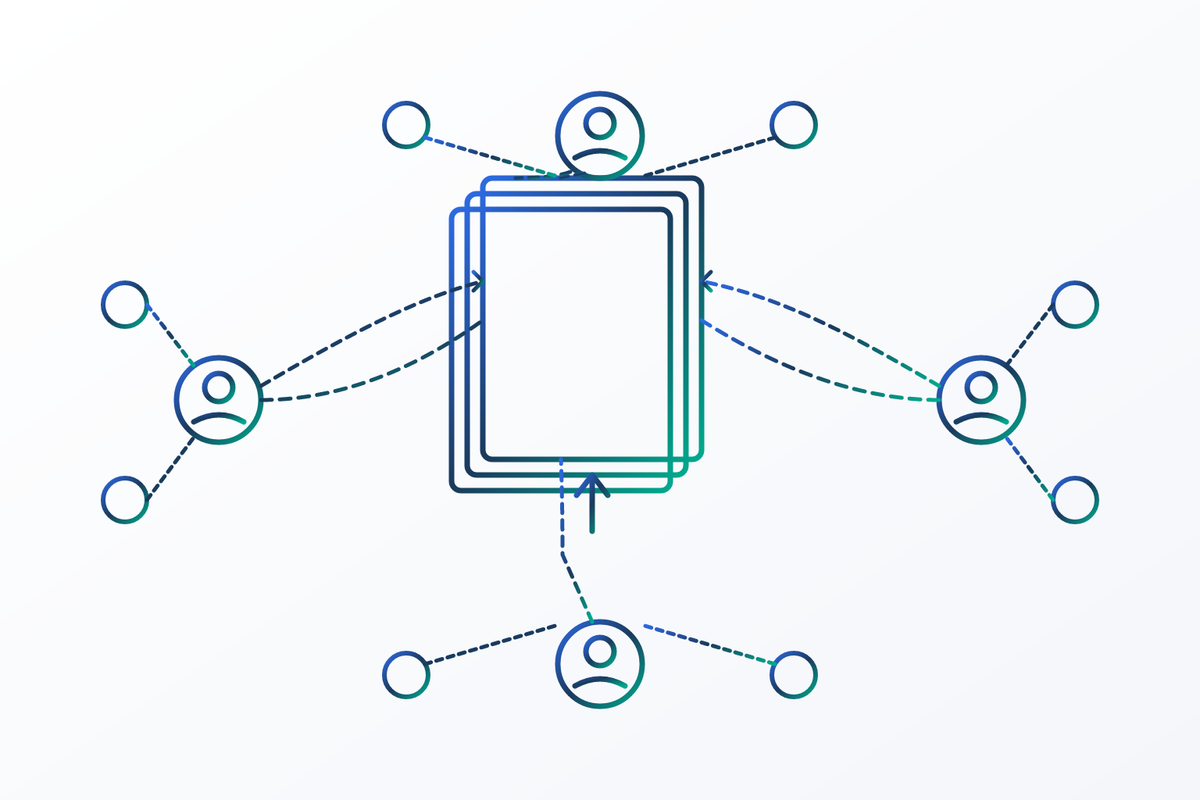
Augmentation amplifies existing failure modes rather than introducing different categories of failure. The first is the PR review bottleneck. Small batches yield fast integration only when a reviewer is available as the developer becomes ready to merge. When teams have large timezone gaps, a PR sent at the end of the day waits for the other team’s morning, so a review that could take hours waits in a queue for days. Developers then batch more work because waiting over and over makes small changes costly.
Inconsistent integration discipline adds a second friction point. Core and augmented engineers may bring different habits into the same repository, with some merging daily while others retain GitFlow practices. That half-adoption forces trunk contributors to absorb the drift accumulated on long-lived branches. Codebase unfamiliarity adds “context rot” when ticket-level correctness substitutes for architectural understanding. An engineer can implement the specified API endpoint while choosing a payload structure that breaks the mobile client’s caching strategy.
Infrastructure that depends on informal local knowledge creates a third friction point. A 40-minute CI pipeline encourages a distributed contributor to start another task, lose context, and miss the merge window. When contributors add feature flags and leave without retiring them, informal flag management leaves the team with a problem of who owns those flags. Unprovisioned access and undocumented environment setup create an earlier barrier by preventing engineers from running the pre-integrate build locally. In each case, augmentation exposes a dependency the core team could previously work around.
What a real transition looks like, and where augmented contributors fit in it
The 140-engineer payments platform transition from GitFlow to trunk-based development provides a useful benchmark for the scale of the change. Fast CI, a feature-flag service, and a “trunk is sacred” incident policy made the practice stick. The branching policy alone did not. Engineers who pushed back the hardest spoke out in favor of the change once merge-hell weekends were gone. That before-and-after matters for contributors whose previous engagements taught them to regard long-lived branches as the safer option.
The incident policy makes the implications for augmented teams particularly clear. A broken build pulls every available engineer, including augmented contributors, into the response. Those contributors must already understand the protocol and have the access and working environment needed to participate.
The case provides a benchmark for understanding the dependencies of a transition. Any sub-team that continues integrating on a GitFlow cadence reintroduces the drift the rest of the team is paying to eliminate. Augmented contributors therefore need to enter the new workflow before the transition completes. In practical terms, that requires working local builds, clear merge rules, architectural context, and incident readiness.
Why onboarding augmented engineers on day one — not after they ramp — is a TBD prerequisite
Onboarding drag is an active integration risk. An engineer who cannot run the local build cannot execute the first step of trunk-based development. If the first production PR takes weeks, that engineer is either working outside trunk on a long-lived branch or not contributing code during that period.
The causes are concrete infrastructure gaps, including unprovisioned access controls, undocumented environment setup, and missing local CI verification before day one. Automated containerized onboarding addresses environment parity through a single command. Access provisioned before the start date removes another blocker, while a pre-selected task gives the engineer a bounded route into the real codebase. Together, those measures compress the gap from weeks to days. A small, trunk-mergeable change is the appropriate first task.
A merged PR on day three gives both the contributor and the core team evidence that the workflow is usable. Achieving that outcome starts before the engagement through vetting for the specific CI/CD stack, feature-flag tooling, and PR discipline. Vendors that omit local setup, stack familiarity, and access preparation transfer those costs to the client team. Contract value then goes into ramp time. Treating first-day readiness as technical infrastructure makes that avoidable cost visible before it reaches the review queue.
Shared technical standards that must cross team boundaries, not just exist on paper
Written standards have little effect if reviewers do not enforce them at the merge boundary. PR size needs an explicit soft ceiling in lines of change, with reviewers empowered to reject oversized diffs on principle. That prevents batching from becoming an accepted response to review delays. CI green must also be a merge gate that teams enforce. When the pipeline is slow, the remedy is faster CI.
Feature flags need a named owner and a retirement date so that unfinished work does not leave flag debt that lasts for good. Augmented engineers who introduce flags must participate in the monthly clean-up cadence before their rotation ends. The trunk-breakage protocol also needs to be communicated before an incident, because discovery in a Slack message afterward is too late.
Pairing at merge provides a five-minute synchronous review when the developer is ready, but it requires a sufficiently senior reviewer during overlap hours. Architectural planning is equally important because it exposes downstream contracts that sprint tickets may omit. That inclusion prevents technically compliant changes from producing rollbacks, postmortems, and repeated fixes.
Human review still needs an automated backstop. Mergify positions the merge queue as the enforcement layer for changes that pass CI individually but fail together. It catches a class of interaction that individual PR approval cannot resolve. The queue therefore makes shared human standards more robust as concurrent merging increases.
How AI-generated code volume changes the stakes of every friction point already described
AI coding tools accelerate writing without automatically expanding review and validation capacity. Larger diffs can consequently reach an augmented team’s review queue faster than reviewers can assess them. Limited codebase context makes that pressure more consequential. A mediocre pattern merged today can become the pattern agents read and reproduce tomorrow.
Stripe’s “Minions” workflow in February 2026 merged over a thousand AI-produced PRs weekly, each human-reviewed. It capped CI runs at two before returning work to a human, followed by a second engineer review. Those controls depend on mature CI and an established review culture. They do not make review capacity optional simply because code generation is automated.
Intercom/Fin’s agent-approved PR policy in April 2026 required changes to be small before they could be approved. The agent would not approve a change that was too big, too complex, or too broad in scope, instead flagging it for breakdown. That is automated enforcement of the PR-size standard augmented teams already need.
Figma’s multi-model review policy in July 2026 ran two frontier models on every PR, with an adjudication agent for borderline findings. It enforced a 99-line, extensive-word, 68-precedent policy that Figma described as itself being the threat model. That much automation needs reliable CI and merge-queue infrastructure to support it. Across these examples, the prerequisite is an organization able to define and enforce acceptance conditions. Without that foundation, AI adoption accelerates the accumulation of unreviewed, potentially context-deficient code.
Why timezone alignment is a structural advantage for TBD, not a preference
Reviewer availability is part of trunk-based development’s timing requirements. DORA describes branches lasting “no more than a few hours” as the threshold. A review that waits until the next business day cannot reliably fit that window.
Nearshore LATAM configurations typically provide six to eight hours of real-time overlap for North American East Coast clients. West Coast clients have somewhat less overlap depending on the LATAM hub. That shared window makes synchronous pairing at merge operationally possible rather than an exception arranged around conflicting schedules. Contributors in the same or adjacent time zones, communicating in the same working language, can participate in the core team’s review cycle. The advantage is usable review capacity when changes are ready.
This distinction concerns differences between distributed configurations. Teams with less overlap require additional process overhead to compensate for the deficit. A lower hourly rate that produces 36-to-72-hour PR cycle times retains the integration costs trunk-based development is meant to eliminate. Those costs appear in larger batches, reduced merge frequency, and accumulated drift. Timezone alignment belongs in the operating-cost assessment because it affects whether the proposed workflow can actually run.
A practical sequence for teams adopting TBD with augmented contributors already on the roster
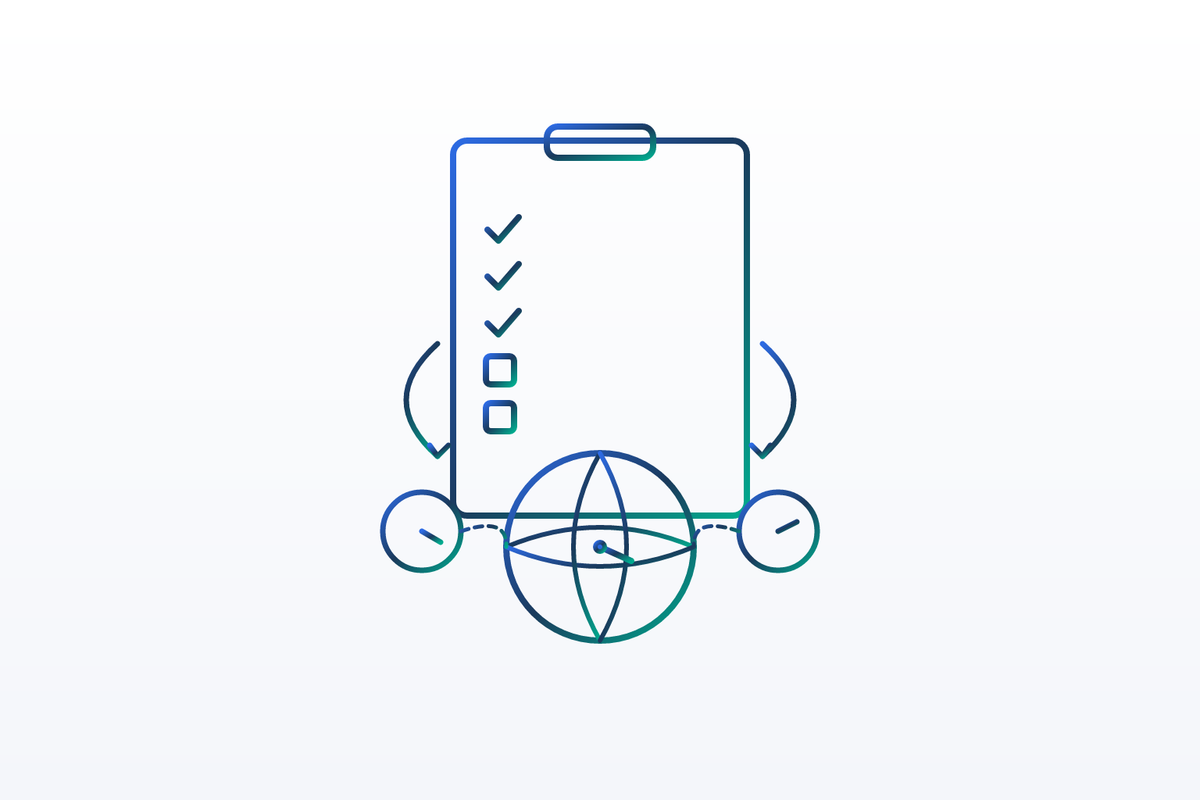
The first step is to establish the infrastructure before changing the workflow. CI must return green within a tight ceiling that does not reward batching. The merge queue needs to be configured before concurrent merges expose their combined failure modes. A feature-flag service also needs a published lifecycle that says who owns flags and when to retire them before augmented contributors start adding flags.
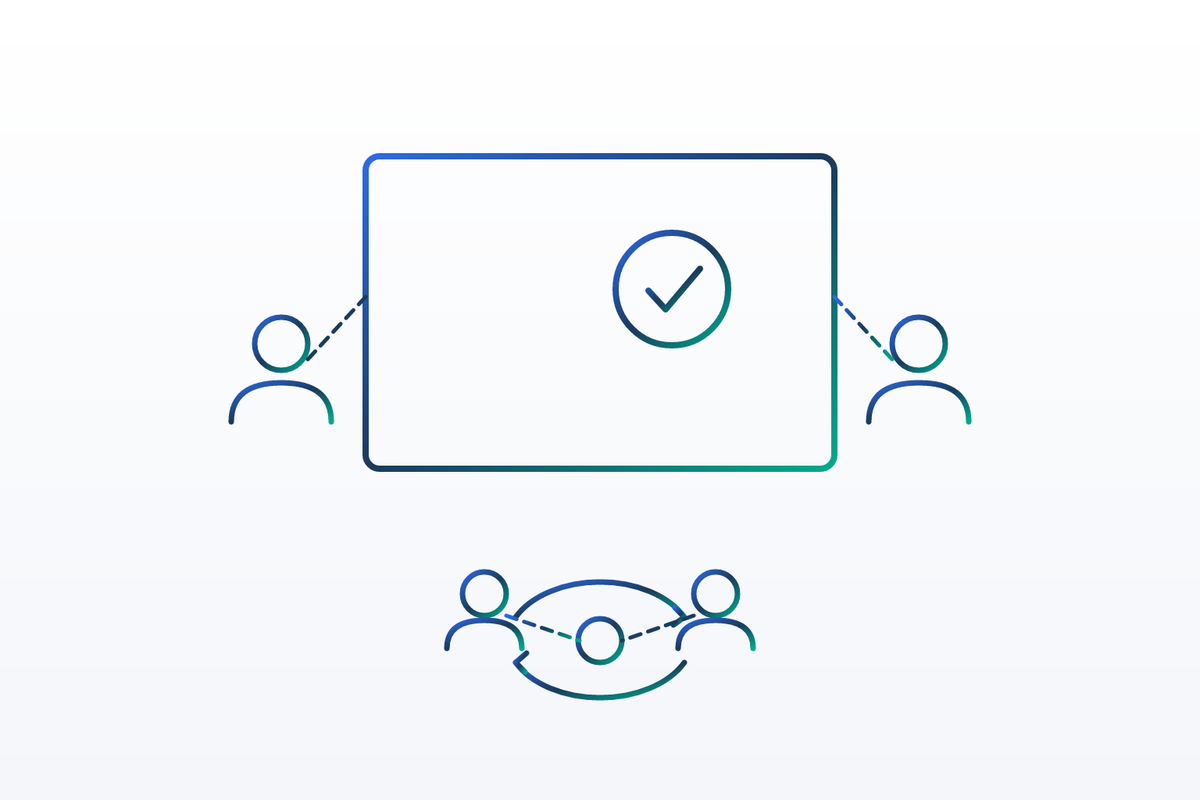
The next step is to define shared standards and enforce them at the merge boundary. PR size limits, flag responsibilities, and the trunk-breakage protocol must reach augmented contributors before their first PR under the new workflow. Reviewers need authority to reject oversized changes consistently. For engineers already on the roster, this is a transition requirement.
Onboarding can then connect contributors to a working system. Access and the containerized environment should be ready before the start date, with a small, real change selected for the first few days. Augmented engineers should enter architectural planning from the first sprint. During overlap hours, one senior or lead engineer per three to four mid-level contributors should be available for pairing at merge.
Finally, integration performance should be treated as a team-wide result. Measure lead time from commit to production weekly and share it with the full team, including augmented contributors. A shorter interval signals that the workflow is moving changes through integration, while a longer one exposes friction that policy compliance can conceal. The useful test is observable delivery performance rather than an audit of whether contributors follow the right label. The number to end on is lead time from commit to production.